
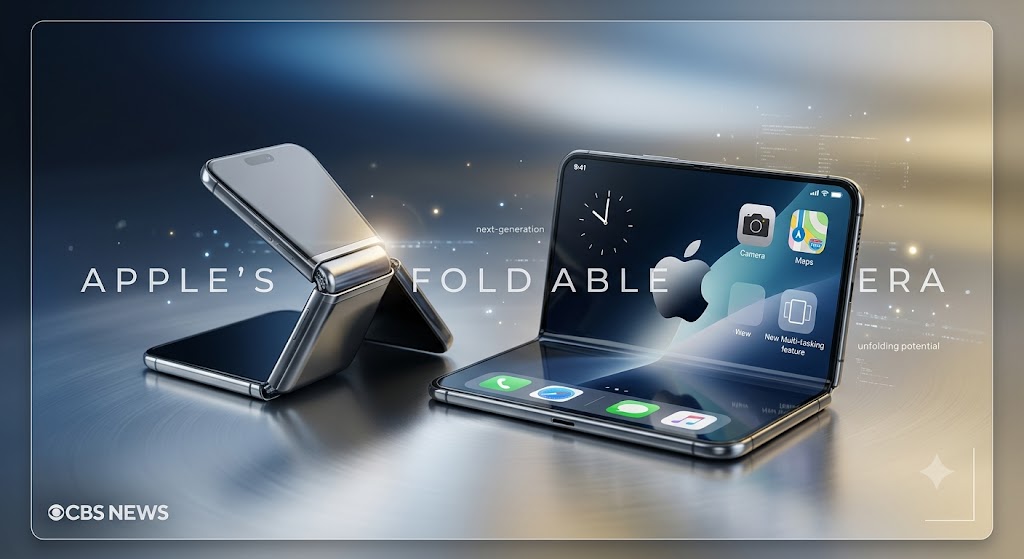
The tech landscape just experienced a seismic shift. As reported by CBS News’ Jo Ling Kent, Apple has officially unveiled its long-anticipated first foldable iPhone, signaling a bold new chapter for the Cupertino tech giant. Marking a pivotal transition for the company, this landmark announcement comes shortly after John Ternus stepped into the role of CEO, ushering in a new era of hardware innovation.
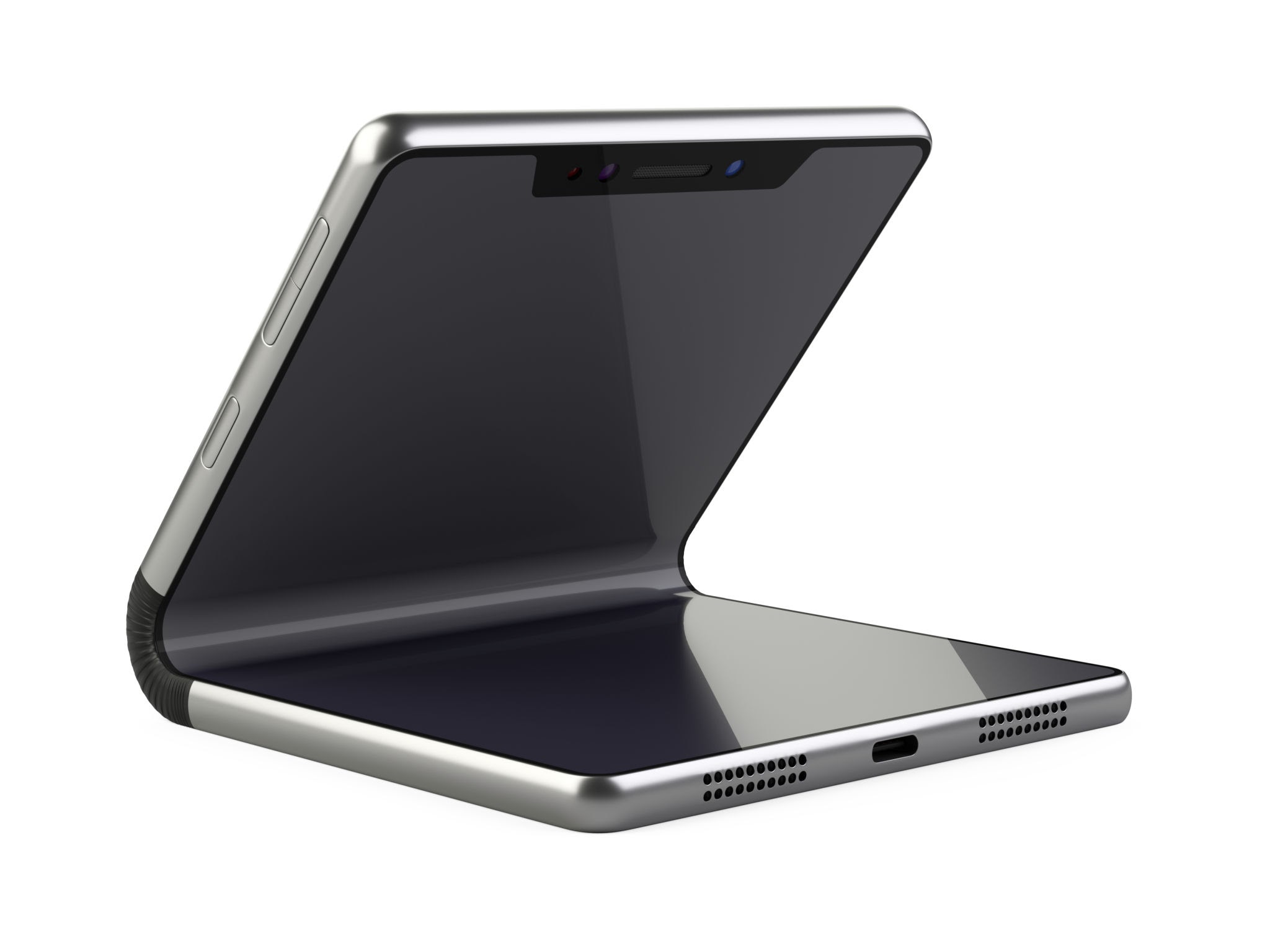
The Next Chapter in Smartphone Design
For years, rumors, patent filings, and industry speculation have surrounded Apple’s secret development of flexible display tech. While competitors like Samsung and Google established early footprints in the foldable market, Apple waited—refining hinges, perfecting display durability, and tailoring iOS to deliver a seamless dual-screen experience.
With this release, Apple isn’t just entering the foldable market; it aims to redefine it.
Key Highlights of the Announcement:
- A New Leadership Direction: Unveiled under newly appointed CEO John Ternus, demonstrating Apple’s commitment to radical innovation under fresh executive leadership.
- Premium Engineering: Designed to eliminate screen creasing while maintaining a slim profile, setting a high standard for premium hardware ergonomics.
- Optimized iOS Integration: Tailored software features that dynamically adapt applications as the display unfolds from a standard smartphone footprint into a tablet-style workspace.
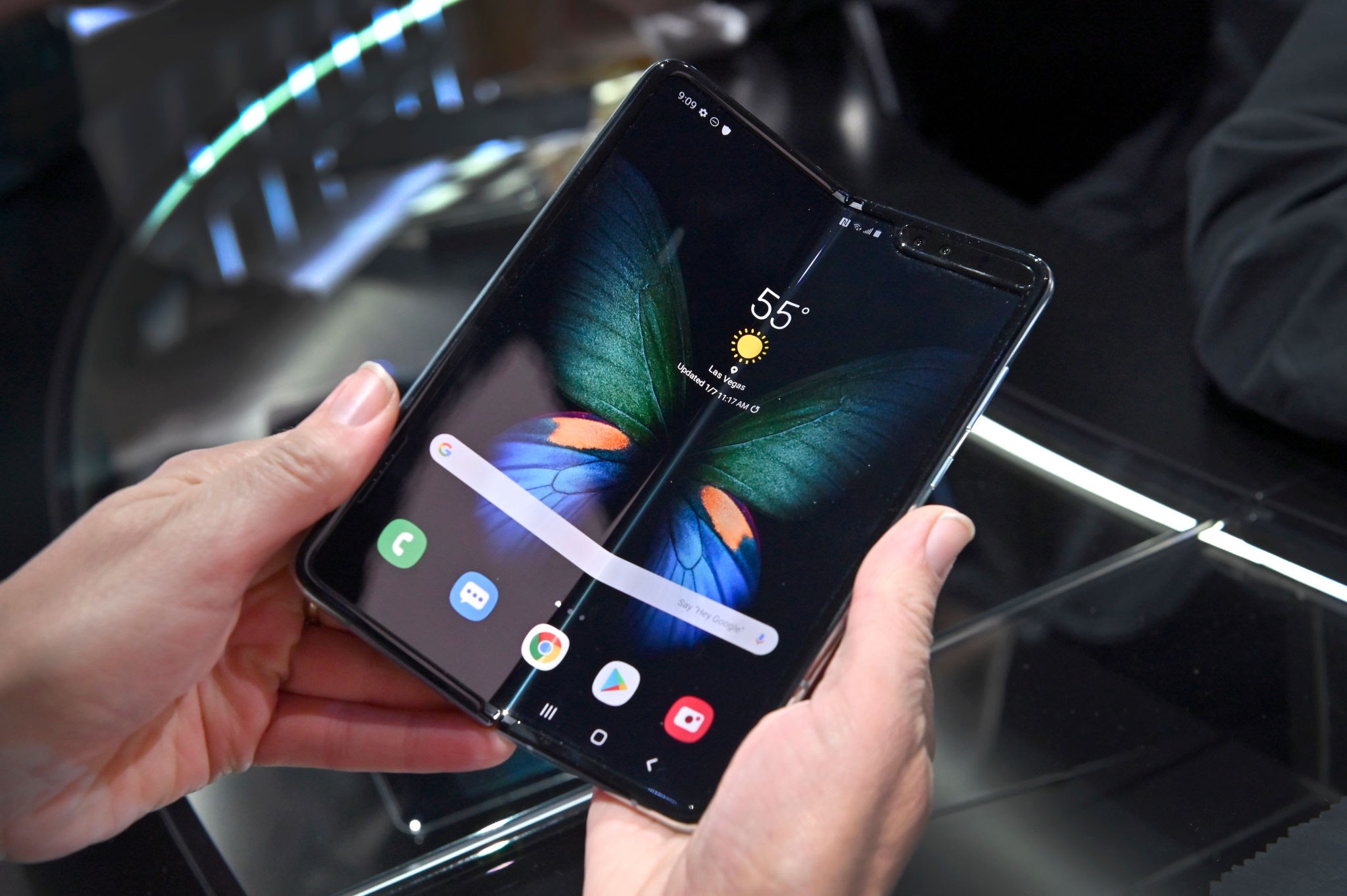
Why Apple’s Entry into Foldables Changes Everything
While foldable devices previously existed as a niche segment for early adopters, Apple’s entry acts as a major catalyst for worldwide consumer adoption.
| Key Feature | Traditional Smartphone | Apple Foldable iPhone |
| Screen Real Estate | Fixed single display | Flexible, dual-state expandable screen |
| Multitasking | Split-screen constrained | Full desktop-grade app side-by-side mode |
| Portability | Standard slab design | Compact pocket footprint expanding to tablet size |
The introduction of the foldable iPhone signals that flexible display technology has officially matured. As developers begin building custom iOS applications that take advantage of the foldable interface, the entire global smartphone market will likely accelerate its transition toward flexible screen form factors.

Leave a Reply